How to Modernize an Older Home Without Changing Its Original Character
Discover simple ways to modernize an older home while preserving its original charm through fresh paint, updated features, and thoughtful renovations.
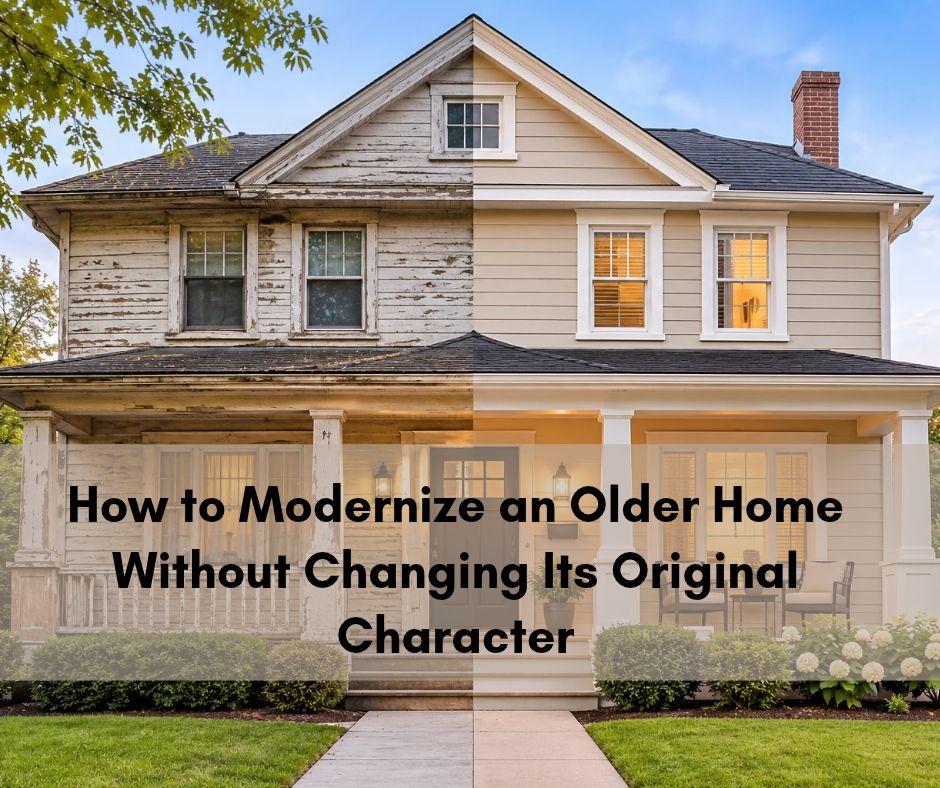
Older homes often have something that modern houses cannot easily recreate: unique architectural details, beautiful woodwork, traditional layouts, and a sense of history. However, as years pass, some areas may begin to look outdated or no longer meet the needs of modern living.
Modernizing an older home does not mean removing everything that makes it special. The goal is to improve comfort, functionality, and appearance while preserving the features that give the home its original character.
With thoughtful planning, the right materials, and carefully selected updates, homeowners can create a space that feels fresh and modern without losing its traditional charm, with the help of a home construction contractor in Fairfield, CT.
1. Preserve the Original Architectural Details
Architectural details are often what make older homes unique. Features such as decorative moldings, original hardwood floors, vintage doors, built-in shelves, and detailed staircases can add character that is difficult to replace.
Instead of removing these elements during renovation, consider restoring them. Repairing damaged woodwork, refinishing old floors, and repainting original trim can help bring these features back to life.
Keeping these details allows the home to maintain its identity while looking well cared for.
2. Refresh Walls With Carefully Chosen Paint Colors
A fresh coat of paint is one of the simplest ways to update an older home. However, choosing colors that complement its original style is important.
Neutral shades such as warm white, soft beige, muted green, and light gray can create a brighter and more welcoming atmosphere. These colors also work well with traditional wood finishes and older architectural details.
For rooms with original features, consider using colors that highlight rather than hide them. Professional interior painting can help create a consistent appearance throughout the home.
3. Update the Kitchen Without Removing Its Character
The kitchen is often one of the first areas homeowners want to modernize. Older kitchens may have outdated cabinets, worn countertops, or limited storage.
A complete replacement is not always necessary. Refinishing existing cabinets, updating cabinet hardware, replacing old countertops, and improving lighting can make a noticeable difference.
For example, keeping traditional wooden cabinets while adding modern handles and updated lighting can create a balanced look between old and new.
4. Improve Lighting While Maintaining a Traditional Feel
Lighting can change how an older home looks and feels. Some older properties have small windows, dark hallways, or outdated fixtures that make rooms feel less inviting.
Consider adding layered lighting with ceiling fixtures, wall lights, and table lamps. Replacing outdated light fixtures with designs that complement the home's architecture can also improve its overall appearance.
Where possible, make better use of natural light by choosing lighter window treatments and keeping windows unobstructed.
5. Upgrade Flooring Without Losing Its Original Appeal
Original flooring can be one of the most attractive features of an older property. Hardwood floors, patterned tiles, and traditional flooring materials often add warmth and character.
If the existing flooring is in good condition, refinishing or repairing it may be a better choice than replacing it. Damaged sections can be repaired, while sanding and refinishing can restore the appearance of older wood floors.
When new flooring is necessary, choose materials and finishes that work naturally with the home's existing design.
6. Modernize Bathrooms With Simple Improvements
Bathrooms in older homes may need updates to improve comfort and everyday functionality. However, modernizing them does not require removing every traditional detail.
Replacing outdated fixtures, improving ventilation, updating vanities, and installing modern lighting can make the space more practical. Classic tile patterns and simple finishes can help maintain a timeless appearance.
The key is to choose updates that improve usability without making the bathroom feel disconnected from the rest of the home.
7. Improve Storage and Everyday Functionality
Older homes were often designed differently from modern houses, which means storage space may be limited. Adding practical storage can make everyday living easier without changing the home's original layout.
Built-in shelves, customized cabinets, under-stair storage, and organized closets are useful ways to make better use of available space.
Whenever possible, consider storage solutions that blend with the existing woodwork and interior design.
8. Plan Renovations Around the Home's Original Style
Before starting any renovation, take time to understand the home's existing architecture, materials, and layout. Not every modern design trend will suit an older property.
Choose improvements based on the home's structure and long-term needs, not trends that may quickly become outdated.
Working with experienced painting and renovation professionals can also help homeowners identify which features to restore and which areas would benefit from modern updates.
Conclusion
Modernizing an older home is about finding the right balance between preserving its history and making it suitable for today's lifestyle. Simple improvements such as fresh paint, restored woodwork, updated lighting, refinished flooring, and practical storage can make a significant difference.
By keeping the home's original character at the center of every decision, homeowners can create a comfortable, functional, and attractive living space that feels both timeless and refreshed with the help of experienced remodeling contractors in CT.
Frequently Asked Questions
1. How can I modernize an older home without losing its character?
Focus on updating essential areas such as kitchens, bathrooms, lighting, and paint while keeping original features like hardwood floors, moldings, doors, and built-in cabinets.
2. What paint colors work best for older homes?
Warm whites, beige, soft gray, and muted green are good choices. These shades complement traditional architectural details while making rooms feel brighter and more spacious.
3. Is it better to restore or replace original wood floors?
Restoring original wood floors is usually a good option if they are structurally sound. Sanding, refinishing, and repairing damaged sections can improve their appearance without removing their original character.
4. Can an older kitchen look modern without replacing all the cabinets?
Yes. Cabinet refinishing, new hardware, updated countertops, and improved lighting can give an older kitchen a fresh appearance without a complete renovation.
5. What should homeowners consider before renovating an older house?
Check the condition of the structure, electrical wiring, plumbing, insulation, and existing materials. Also, identify the original features worth preserving before deciding on major changes.
6. How can professional painters help modernize an older home?
Professional painters can refresh walls, ceilings, doors, and trim with suitable colors and finishes. Proper surface preparation and careful painting can improve the overall appearance while preserving original details.