The Benefits of Using Recycled Materials in Modern Construction
Explore how recycled construction materials like wood, bricks, concrete, and metal can reduce waste, support sustainable building practices, and add value to new construction and renovation projects.
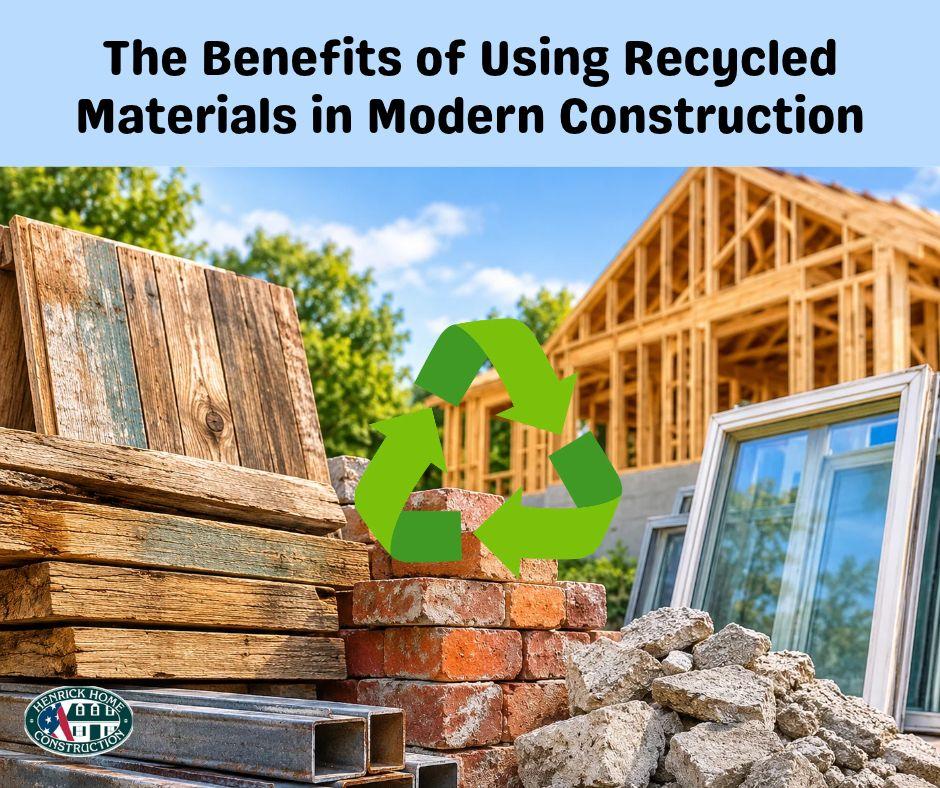
Building a new home or renovating an existing one does not always mean using brand-new materials. Many materials from older buildings, renovation projects, and demolition sites can be reused or recycled in new construction. From reclaimed wood and recycled steel to concrete, glass, and brick, these materials offer practical ways to reduce waste while creating attractive and functional spaces.
When selected carefully, recycled materials can provide durability, design flexibility, and cost savings. Here are some of the key benefits of using them in modern construction.
1. Reduces Construction Waste
Construction and renovation projects can produce large amounts of waste, including wood, drywall, concrete, metal, and other materials. Instead of sending everything to a landfill, some materials can be recovered and reused.
For example, old wooden doors, cabinets, flooring, and lumber can often be repurposed. Concrete from demolished driveways or walkways can be crushed and used as a base material for new paving projects. This helps reduce waste and makes better use of available resources.
2. Gives Wood a Second Life
Reclaimed wood is one of the most popular choices for modern residential projects. Wood from older homes, barns, and other structures can be reused for flooring, ceiling beams, shelves, doors, and decorative features.
It often has natural textures, grain patterns, and character that are difficult to reproduce with new materials. However, reclaimed lumber intended for structural use should be properly inspected and graded to confirm that it is suitable for the project.
3. Can Help Reduce Material Costs
Some recycled materials can cost less than newly manufactured alternatives, especially when suitable materials are available locally. Reclaimed bricks, wood, metal fixtures, and recycled aggregates may help reduce material expenses.
However, the overall cost depends on availability, transportation, cleaning, processing, and installation. Some reclaimed materials may require additional preparation, so comparing the total project cost is important.
4. Supports Creative Interior and Exterior Designs
Recycled materials can add unique details to both indoor and outdoor spaces.
For example, reclaimed wood can create rustic ceiling features, accent walls, or custom shelving. Reused bricks can add character to fireplaces, garden paths, and exterior features. Recycled glass can be incorporated into decorative surfaces, while reclaimed metal can be used for railings, fixtures, and design accents.
These materials allow homeowners to create spaces that feel distinctive rather than relying entirely on standard finishes.
5. Reduces the Need for New Raw Materials
Manufacturing new construction materials requires natural resources, energy, and transportation. Reusing suitable materials can reduce the demand for newly produced products.
Recycled steel, for example, can be used in many construction applications, while recycled concrete is often suitable for road base, driveway base, and site preparation. Choosing these materials where appropriate can help make construction projects more resource-efficient.
6. Requires Proper Inspection and Planning
Not every recovered material is suitable for every project. Before using recycled materials, it is important to check their condition, quality, and intended purpose.
Wood should be checked for moisture damage, pests, and structural defects. Concrete and masonry should be assessed for their intended application. Older materials may also contain substances that require professional testing or safe removal.
Working with experienced renovation contractors in CT can help homeowners identify suitable materials and understand where they can be safely reused.
Final Thoughts
Using recycled materials in construction is not just about reducing waste. It is also about making thoughtful choices that balance quality, appearance, durability, and cost. With proper inspection and planning, materials that once belonged to an older structure can become useful parts of a new home or renovation project.
Frequently Asked Questions
1. What are the most commonly reused materials in construction?
Reclaimed wood, bricks, concrete, steel, glass, doors, and certain flooring materials are commonly reused or recycled in construction and renovation projects.
2. Is reclaimed wood suitable for home construction?
Yes, reclaimed wood can be used for flooring, decorative features, shelving, and certain structural applications. However, structural use requires proper inspection and grading to ensure safety and suitability.
3. Can recycled concrete be used in residential projects?
Yes. Crushed recycled concrete is commonly used as a base for driveways, walkways, and other paving projects, as well as for site preparation. Its suitability depends on the material quality and project requirements.
4. Do recycled construction materials cost less?
Some recycled materials are more affordable than new alternatives. However, cleaning, transportation, processing, and installation costs can affect the final price.
5. Are recycled materials suitable for modern home designs?
Absolutely. Reclaimed wood, recycled glass, metal, and brick can be incorporated into modern interiors and exteriors, adding character while supporting more efficient material use.